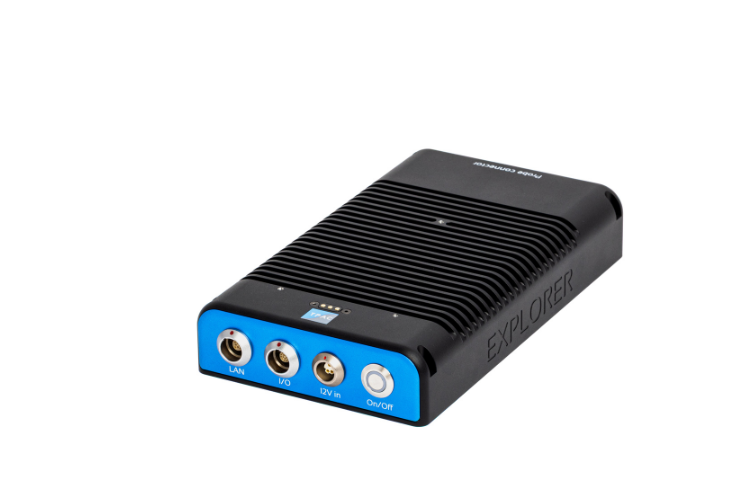
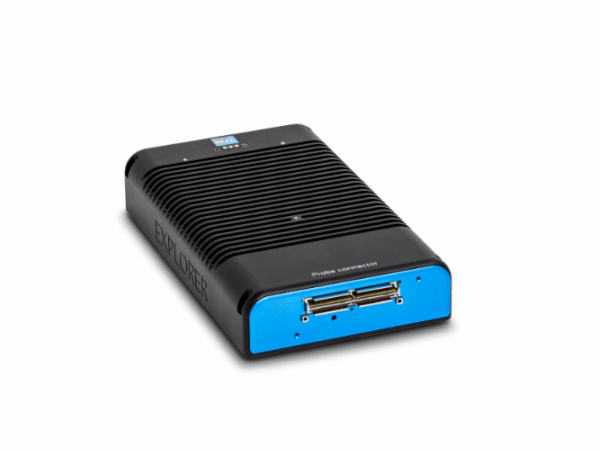
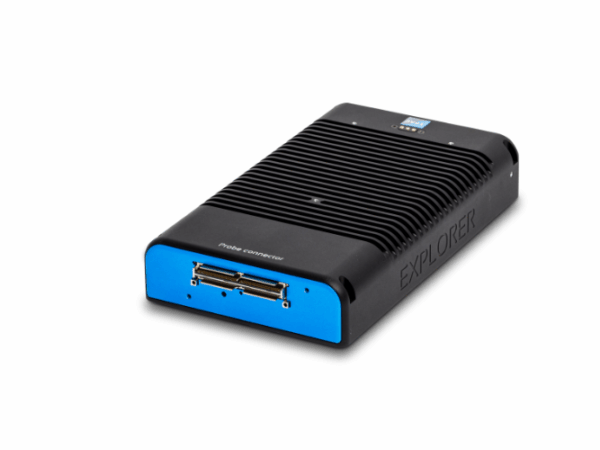
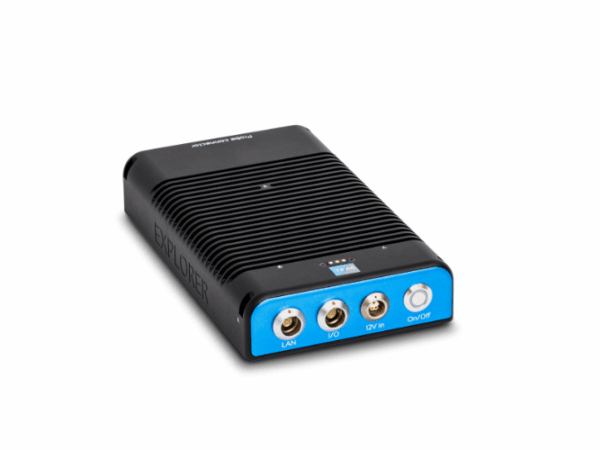
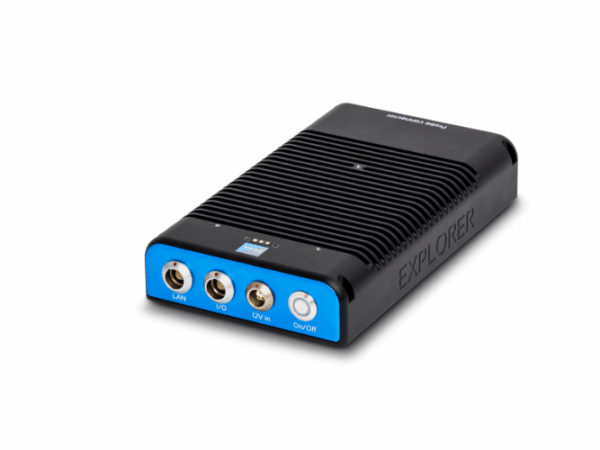
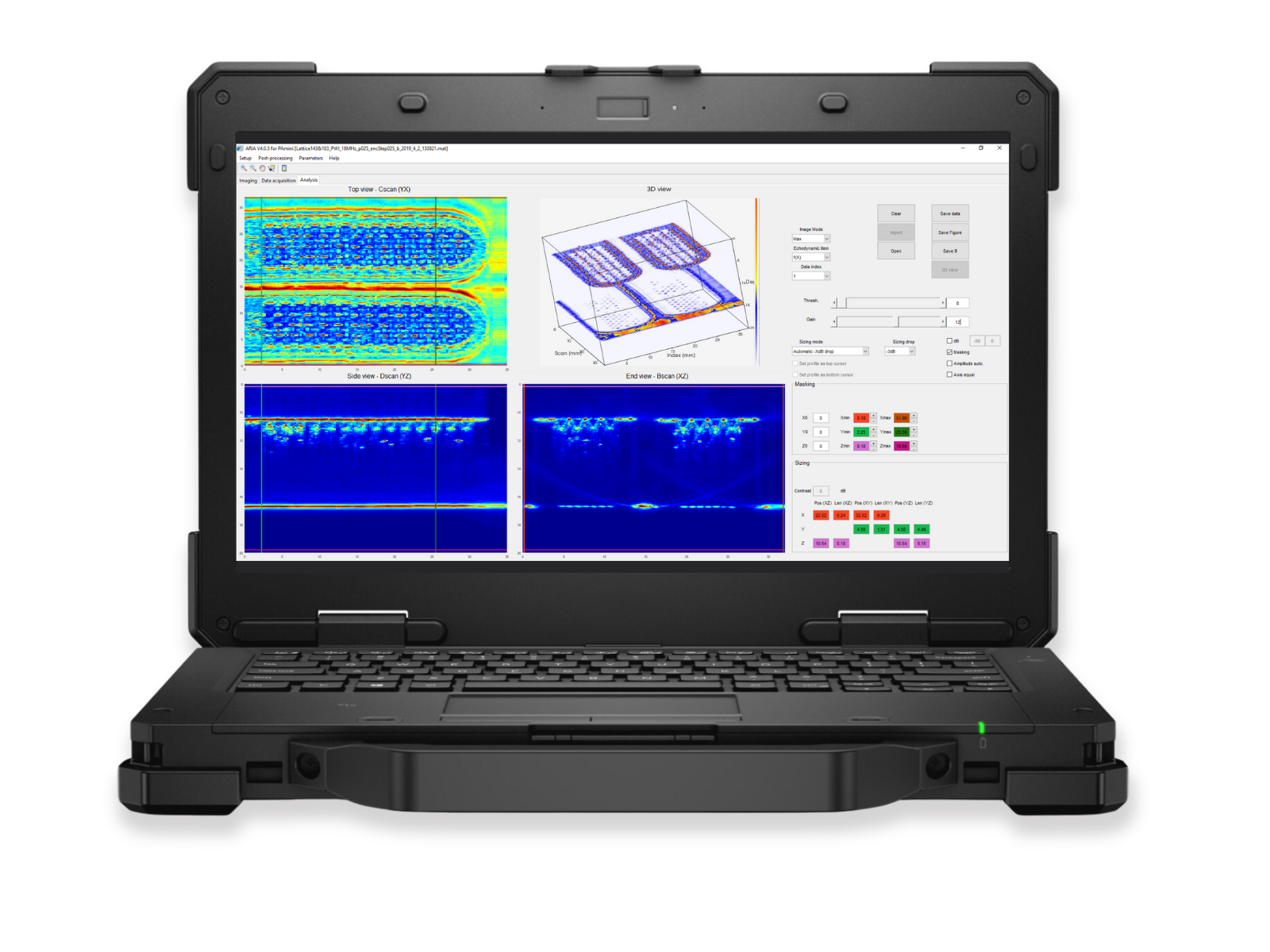
Explorer – Device for Phased Array Ultrasonic Testing

The perfect instrument for your ultrasonic immersion tank or in-line inspection needs with Phased Array and FMC/TFM

Explorer – Device for Phased Array Ultrasonic Testing

Lorem ipsum dolor sit amet, consectetur adipiscing elit. Ut elit tellus, luctus nec ullamcorper mattis, pulvinar dapibus leo.

What Is Phased Array Ultrasonic Testing?

Phased Array Ultrasonic Testing (PAUT) is an advanced method of non-destructive testing (NDT). It uses multiple ultrasonic transducers arranged in a probe. By electronically controlling the timing of each element, inspectors can steer, focus, or sweep the ultrasonic beam across the material without moving the probe. As a result, they detect flaws, measure thickness, and map complex geometries with high accuracy.

Moreover, PAUT generates detailed cross-sectional images and covers large areas quickly. For this reason, it has become essential in industries where safety and reliability are critical. For example, aerospace, oil & gas, power generation, and transportation rely heavily on it.

Also, Explorer integrates this technology into a lightweight, rugged instrument. Consequently, phased array inspections are easier to deploy in immersion tanks, production lines, or automated robotic systems.

Explorer’s Advanced Technologies

Explorer brings together the most advanced ultrasonic testing methods in one compact device.

  • Phased Array Ultrasonic Testing (PAUT): Provides dynamic beam steering and focusing. Inspectors capture high-resolution data across different angles without changing the probe. Therefore, it is ideal for weld inspections, composite evaluations, and corrosion monitoring.

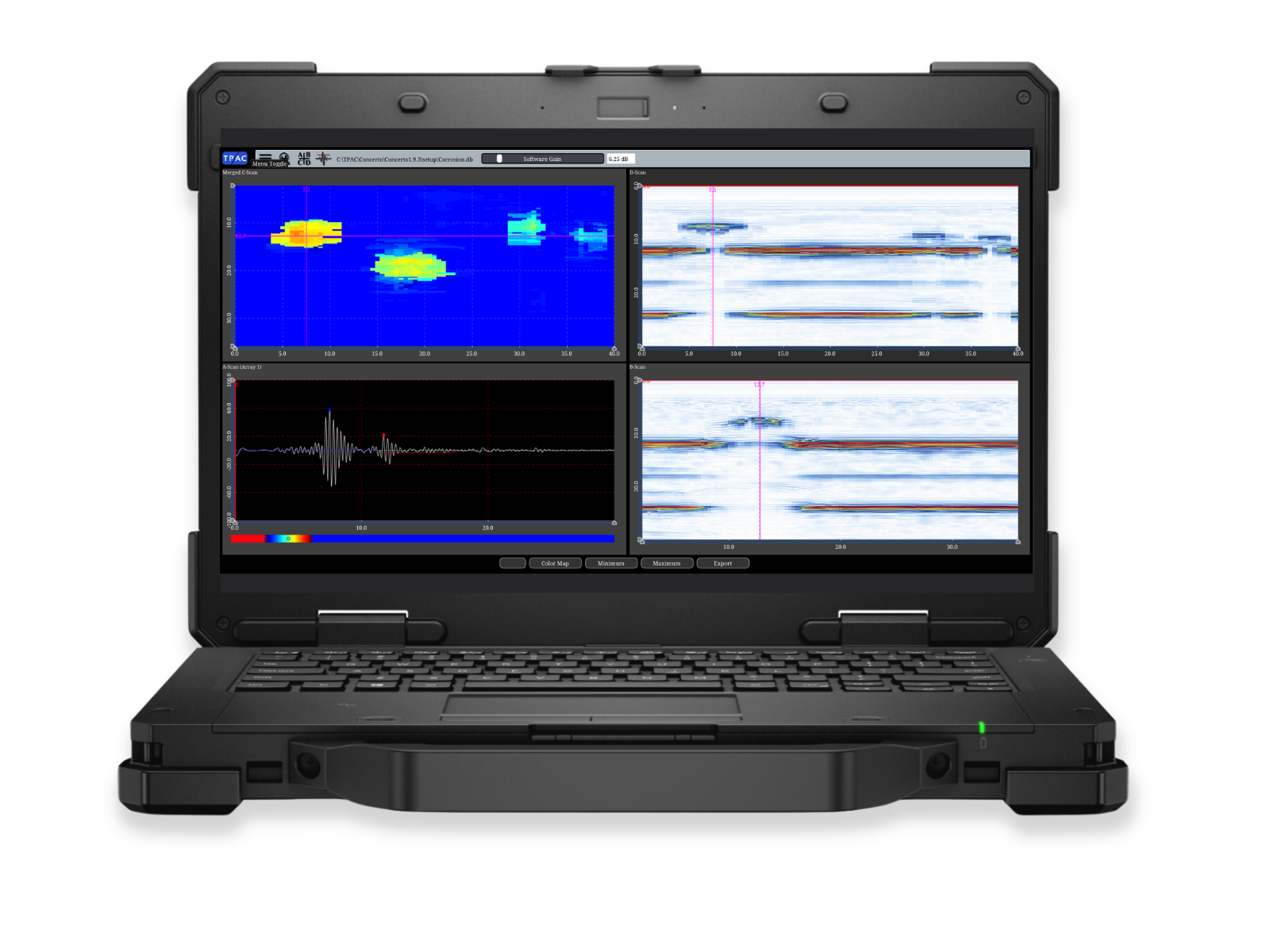
  • Full Matrix Capture (FMC) & Total Focusing Method (TFM): FMC records every transmit-receive signal from the array. TFM then reconstructs that data into fully focused images at each pixel. As a result, inspectors obtain unparalleled image clarity and defect characterization, even in complex materials.

  • Advanced Imaging & Air-Coupled Testing: Explorer also supports specialized imaging modes and non-contact ultrasonic techniques. This flexibility expands its use in research, delicate materials, and automated testing setups.

Applications AND Industries

Explorer is engineered to adapt to a wide spectrum of inspection scenarios. So, it is one of the most versatile phased array ultrasonic testing devices available.

For applications, Explorer integrates seamlessly into robotic inspection systems and scanners. This ensures consistent performance in automated environments. It also proves effective for corrosion monitoring in pipelines and storage tanks, weld inspections in safety-critical structures, and field inspections where portability and durability are essential.

Moreover, its advanced imaging capabilities make it suitable for composite testing in aerospace and automotive components, in-line quality control in manufacturing, and research environments that demand flexibility and precision.

These capabilities extend across multiple industries, including power generation, oil & gas, metallurgy, automotive, robotics, railways, and aerospace. Then, in each sector, phased array ultrasonic testing with Explorer helps asset owners detect flaws earlier, improve productivity, and meet strict safety and compliance standards.

Perfect for industrial applications

Technologies

– Advanced Imaging Techniques
– Air-Coupled Ultrasonic Testing
– FMC/TFM
– Phased Array Ultrasonic Testing

Applications

– Robot application
– Corrosion Inspection
– Field Inspection
– Weld Inspection 
– Composite Inspection
– Inline Inspection
– Research

Benefits for Users

Explorer is more than a compact phased array ultrasonic testing device. Above all, it is designed to make inspections faster, easier, and more reliable.

  • Workflow efficiency: Reduce setup time and eliminate the need for multiple instruments by combining PAUT, FMC, and TFM in one unit.

  • Cost-effectiveness: Streamline inspections, cut downtime, and extend equipment life with a single rugged platform.

  • Compliance and traceability: Generate digital records that support regulatory requirements and simplify audits.

  • Confidence in results: Achieve consistent, high-quality data whether in automated systems, laboratory setups, or field inspections.

With Explorer, inspectors and asset owners gain not only advanced imaging technology but also the reliability and efficiency needed to make critical decisions with confidence.

SPECIFICATIONS

Frequently Asked Questions

How is ultrasonic testing (UT) used in NDT?

Ultrasonic testing is a core non-destructive testing method. It uses high-frequency sound waves to detect flaws, measure thickness, and evaluate material integrity without damaging the test object. As a result, it ensures quality control and safety. Moreover, industries such as aerospace, energy, and manufacturing apply it widely.

Conventional UT uses a single fixed beam. In contrast, phased array ultrasonic testing (PAUT) employs multiple elements that can be electronically controlled. This allows beam steering, focusing, and scanning at multiple angles. Therefore, inspectors obtain higher-resolution images and faster coverage.

Inspectors often use PAUT for weld inspections, corrosion monitoring, composite evaluation, and in-line production control. Consequently, industries such as aerospace, oil & gas, rail, and power generation rely on it to detect flaws in safety-critical components.

Full Matrix Capture (FMC) records signals from every element combination in a probe. Total Focusing Method (TFM) then reconstructs those signals into fully focused images at each pixel. As a result, inspectors obtain exceptional image clarity and more accurate flaw characterization.

Complementary
Products

Enhance your testing capabilities with our range of cutting-edge ultrasonic non-destructive testing (NDT) solutions.

IW Scan

IW SCAN by UTEX Scientific​

Flexible, operator-friendly NDT data-acquisition and imaging software for UT and PAUT
concerto-2025

Concerto

Thickness measurement & Corrosion mapping Software

Enquiry

The fields followed by * are mandatory.